Treatment center: Kratom withdrawal harder than opioids, as concentrated kratom products face Schedule I push
CAPE GIRARDEAU, Mo. (Heartland News) - A Cape Girardeau treatment center says it has seen a rise in calls this year from people struggling to quit kratom, with some describing withdrawal as more difficult than quitting an opioid.
Withdrawal symptoms described
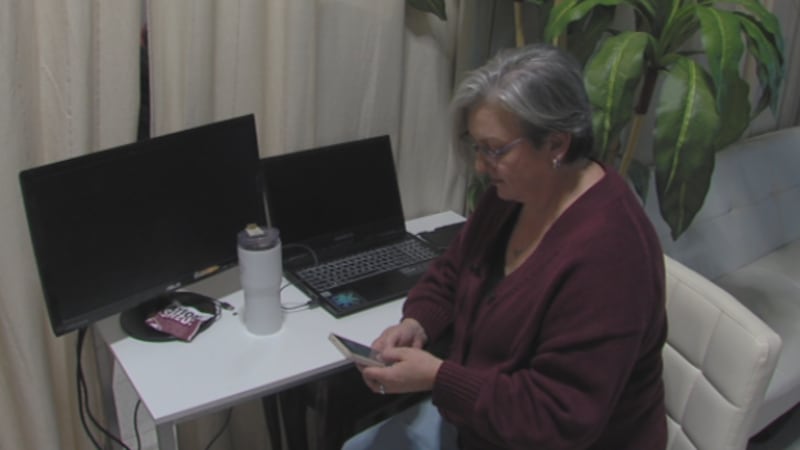
Dr. Janice Ruesler with the Gibson Center in Cape Girardeau said the center has seen a staggering rise in calls this year from people trying to quit kratom.
“We have had people who have told us coming off kratom has been harder than coming off of an opioid,” Ruesler said.
“The withdrawals are stronger than that of a traditional opioid. So they are coming in with sweats; they are coming in with anxiety and irritability. So what you would typically see with any other opioid, you are now seeing with kratom as well,” Ruesler said.
Missouri Attorney General Catherine Hanaway has worked to target manufacturers that make kratom products to stop them from selling in the state of Missouri.
Hanaway said government agencies are gaining momentum to make concentrated forms of kratom illegal, including products referred to as 7-OH, M-15 and M-16, also referred to as “gas station heroin.” The DEA has filed an intent to schedule 7-OH as a Schedule I drug.
“The FDA is finally scheduling some of those substances, which is the first step to actually making them illegal to possess, to distribute, and will allow county prosecutors to charge people who have these substances — just like they would any other illegal drug,” Hanaway said.
Hanaway said kratom is marketed as a natural way to reduce chronic pain and kick opioids.
“The FDA has said, at least three more times more powerful than morphine, they are highly addictive,” Hanaway said. “Missouri medical examiners tell me at least 161 deaths resulting in overdoses from these products.”
Calls for safeguards before scheduling
Ruesler said she supports regulating kratom to make it harder to access but said safeguards need to be in place before it is scheduled.
“If there is a schedule put in place without a tier system, a structure, or a plan to get people support, it’s going put communities into potential crisis,” Ruesler said.
Ruesler said that crisis could mean overwhelmed ERs, strained rehab centers and people turning to the streets instead.
“You run the risk of people cutting kratom with fentanyl or other street drugs, which can increase overdose risk in our community,” Ruesler said.
Copyright 2026 Heartland News. All rights reserved.