Contact lenses could help diabetic patients keep vision longer
(CBS) - Millions of people with diabetes live with the dread of eventually losing their eyesight to the disease.
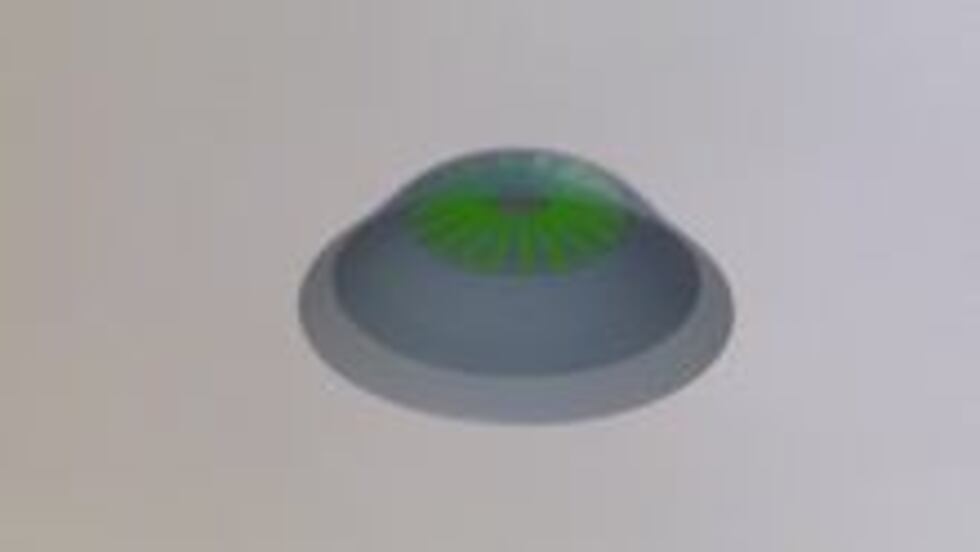
Now, a California researcher has developed a glowing contact lens he believes could help millions of patients keep their vision longer.
Colin Cook watched diabetes take his aunt's vision and eventually her life. He's now on a mission to stop the disease from stealing the eyesight of others.
"On the inside are the actual phospors that are going to emit the light."
The Cal-Tech graduate student designed glowing contact lenses to treat diabetic retinopathy, a condition that causes blindness in diabetics.
"The small blood vessels that feed the retina begin to die off as a result of the diabetes and so the retina starts to starve from lack of oxygen," Cook said.
Doctors say diabetic retinopathy progresses the most overnight because our eyes burn more oxygen in the dark than in the light.
So, Cook designed his lenses to wear while sleeping, emitting just enough of a glow for the retina to detect.
"...to trick the eye into thinking it's daytime so the cells aren't consuming so much oxygen," Cook said.
This helps preserve the cells and the patient's eyesight.
"It's these inner vessels that start to die away..." he continued.
Cook said his lenses offer an alternative to painful existing treatments for diabetic retinopathy, which include injections in the eye.
While the contacts can maintain their glow up to 12 years, he forsees temporary pairs for users.
"Probably about a year and then get a new pair of lenses," he said.
He believes his invention could help maintain a user's vision for years.
Cook said because the contact is so close to the retina and moves with the eye, the glow essentially goes unnoticed by the brain, allowing users to sleep despite the light.
He hopes to start testing the lenses in a clinical trial soon.
Copyright 2018 CBS. All rights reserved.